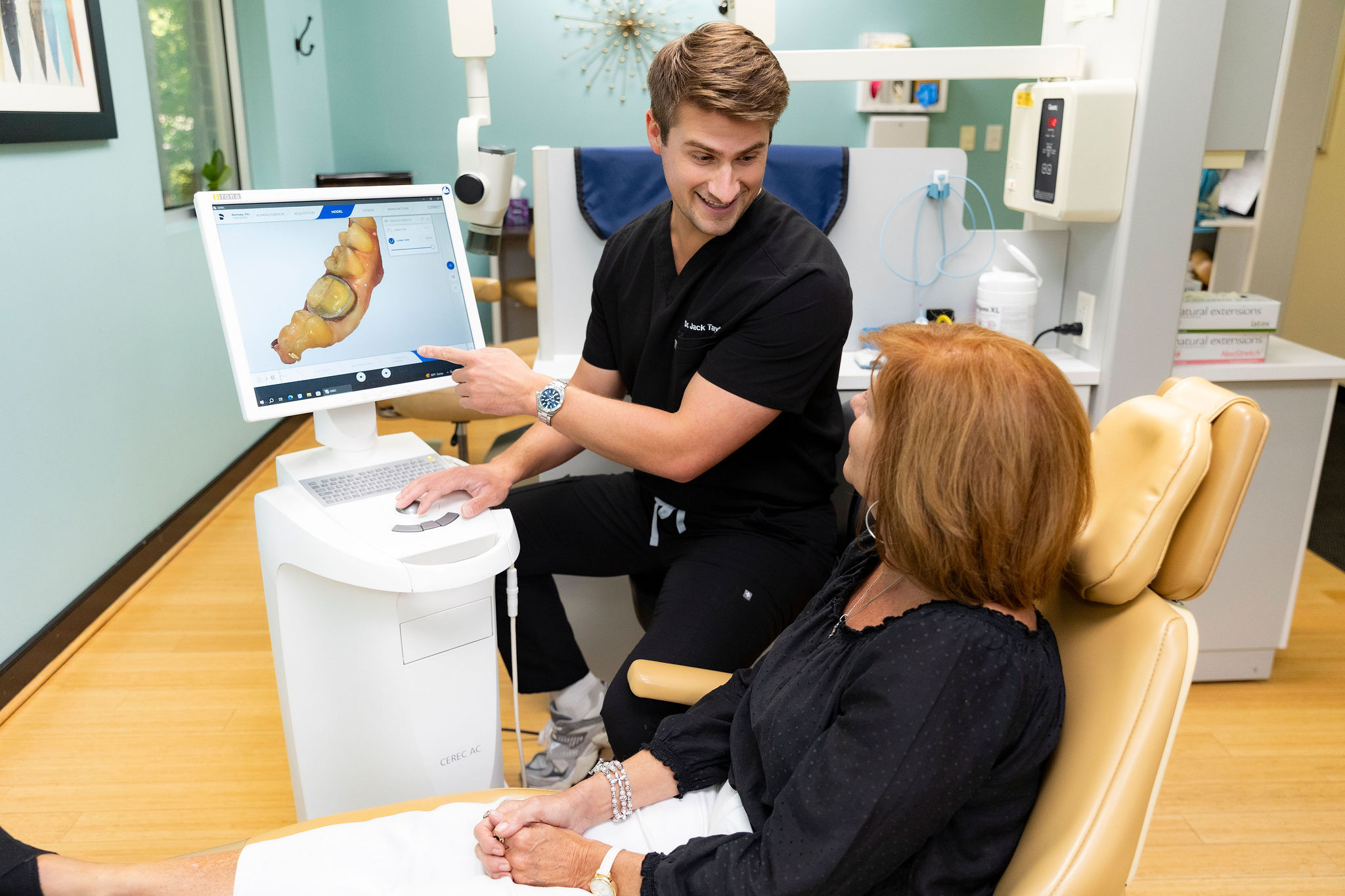

As winter settles over Midlothian and the Richmond area, you’re probably bundling up in coats, scarves, and gloves to protect yourself from the cold. But have you thought about protecting your teeth? If you’ve ever experienced a sharp, sudden pain when breathing in cold air or sipping hot cocoa after being outside, you’re not alone. Cold weather can have surprising effects on your oral health—and understanding why can help you stay comfortable all season long.
According to dental research, approximately 40 million adults in the United States experience some form of tooth sensitivity, with symptoms often worsening during winter months. At Woodlake Dental Center, we see a noticeable increase in sensitivity-related complaints as temperatures drop, and we want to help you understand what’s happening and how to find relief.
Why Do Teeth React to Cold Weather?
Your teeth are more sensitive to temperature changes than you might realize. Here’s what’s happening beneath the surface:
Tooth Enamel Contraction and Expansion
Just like sidewalks crack from repeated freezing and thawing, your teeth experience stress from temperature fluctuations. Dental enamel—though the hardest substance in your body—expands and contracts in response to temperature changes.
Research published in the Journal of the Mechanical Behavior of Biomedical Materials shows that enamel can expand or contract by approximately 11 parts per million per degree Celsius. While this sounds minimal, repeated expansion and contraction can create microscopic cracks in enamel over time, especially when you move quickly between extreme temperatures (like stepping from a heated car into freezing outdoor air).
These tiny cracks, called craze lines, can expose the more sensitive layer beneath your enamel called dentin, leading to increased sensitivity.
Exposed Dentin and Temperature Sensitivity
Beneath your enamel lies dentin, a porous layer filled with thousands of microscopic tubules that connect directly to the nerve of your tooth. When enamel wears thin or cracks develop, cold air or liquids can reach these tubules, triggering the nerve and causing that characteristic sharp pain.
Studies indicate that dentin contains approximately 30,000-40,000 tubules per square millimeter. When these tubules are exposed, even a small temperature change can create fluid movement within them, stimulating nerve endings and causing discomfort.
Gum Recession and Root Exposure
Cold weather doesn’t just affect your tooth enamel, it can also impact your gums. Many people don’t realize that tooth roots aren’t covered by protective enamel. When gums recede due to aggressive brushing, gum disease, or aging, the sensitive root surface becomes exposed.
The American Dental Association reports that approximately 50% of adults over age 30 have some degree of gum recession. In cold weather, this exposed root surface is particularly vulnerable to temperature-related discomfort.
Dry Air and Decreased Saliva Production
Winter air—both outdoors and in heated indoor spaces—is significantly drier than summer air. This dry environment can reduce saliva production, and saliva plays a crucial role in protecting your teeth.
Saliva helps:
- Neutralize acids that attack enamel
- Wash away food particles and bacteria
- Provide minerals that strengthen tooth enamel
- Keep oral tissues moist and comfortable
Research shows that saliva production can decrease by up to 30% in dry environments. With less saliva protecting your teeth, you’re more vulnerable to sensitivity, cavities, and gum irritation during winter months.
Common Winter Dental Problems
1. Increased Tooth Sensitivity
That sharp, shooting pain when cold air hits your teeth is the most common winter dental complaint. If you find yourself wincing when you breathe through your mouth on cold days or avoiding ice-cold beverages, you’re experiencing classic temperature sensitivity.
Clinical studies indicate that sensitivity affects women slightly more than men (60% vs. 40%), with peak incidence occurring between ages 20-50. Cold weather exacerbates this condition by triggering exposed nerve endings.
2. Jaw Pain and TMJ Issues
Cold weather causes many people to unconsciously clench their jaw or tense their facial muscles. Some people also brace against the cold by clenching their teeth. This increased muscle tension can lead to:
- Temporomandibular joint (TMJ) pain
- Headaches
- Facial soreness
- Difficulty opening your mouth wide
Research in the Journal of Oral Rehabilitation found that cold weather correlates with increased reports of TMJ symptoms, particularly among individuals already prone to jaw tension.
3. Cracked or Chipped Teeth
The thermal stress from temperature fluctuations can be the final straw for teeth that already have weaknesses. If you have existing fillings, small cracks, or weakened enamel, winter’s temperature extremes increase the risk of fractures.
Dental emergency data shows a modest uptick in cracked tooth incidents during winter months, particularly in January and February when temperatures are lowest.
4. Cold Sores and Canker Sores
While not directly related to your teeth, cold weather and its associated stress on your immune system can trigger painful oral sores. Cold, dry air can also cause lips to crack and bleed, creating entry points for infection.
Studies indicate that cold sores (caused by herpes simplex virus) are often triggered by cold weather, stress, and sun exposure—all common in winter. Canker sores, while not contagious, also appear more frequently during stressful times when immune function may be compromised.
5. Dry Mouth and Chapped Lips
Heated indoor air combined with cold outdoor temperatures creates a perfect storm for oral dryness. Dry mouth (xerostomia) isn’t just uncomfortable, it increases your risk for cavities and gum disease since saliva’s protective effects are diminished.
Protecting Your Teeth During Cold Weather
The good news? You don’t have to suffer through winter with dental discomfort. Here are proven strategies to protect your smile during the coldest months:
Use Desensitizing Toothpaste
Toothpastes formulated for sensitive teeth contain compounds like potassium nitrate or stannous fluoride that help block sensation transmission from the tooth surface to the nerve. Clinical trials show that regular use of desensitizing toothpaste can reduce sensitivity by up to 80% within two weeks.
Pro tip: For maximum effectiveness, apply a small amount of desensitizing toothpaste directly to sensitive areas and leave it on for a few minutes before rinsing. Use it consistently, it takes time to build up protection.
Breathe Through Your Nose
This simple change can make a significant difference. When you breathe through your mouth on cold days, frigid air rushes directly over your teeth. Breathing through your nose allows the air to warm slightly before reaching your mouth.
If you’re exercising outdoors, consider wearing a scarf or face mask that covers your mouth to warm the air before you breathe it in.
Avoid Extreme Temperature Changes
Try to avoid going from very hot to very cold (or vice versa) too quickly. When you come in from the cold, let your mouth gradually warm up before drinking hot beverages. Similarly, if you’re drinking something hot, avoid immediately stepping out into freezing temperatures.
This gradual adjustment reduces the thermal stress on your enamel and minimizes the expansion-contraction cycle that can cause cracks.
Stay Hydrated
Even though you might not feel as thirsty in winter, maintaining good hydration is crucial for saliva production. Aim for at least eight glasses of water daily, and consider using a humidifier in your bedroom to combat dry indoor air.
Research shows that proper hydration supports optimal saliva production, which in turn protects tooth enamel and prevents sensitivity.
Use Fluoride Products
Fluoride strengthens tooth enamel and can help reduce sensitivity. Use a fluoride toothpaste and consider a fluoride mouth rinse, especially if you’re prone to cavities or sensitivity.
Studies published in the Journal of the American Dental Association confirm that regular fluoride use reduces tooth sensitivity and strengthens enamel against acid attacks and thermal stress.
Mind Your Brushing Technique
Aggressive brushing with a hard-bristled toothbrush can wear away enamel and cause gum recession—both of which lead to increased sensitivity. Use a soft-bristled toothbrush and gentle circular motions rather than harsh back-and-forth scrubbing.
Dental hygienists recommend brushing for two minutes twice daily with gentle pressure. Let the toothbrush do the work rather than applying force.
Limit Acidic Foods and Drinks
Winter often brings comfort foods and hot beverages, but be mindful of acidic choices like citrus fruits, tomato-based soups, and wine. These acids temporarily soften enamel, making it more vulnerable to temperature sensitivity and wear.
If you do consume acidic foods or drinks, wait at least 30 minutes before brushing (brushing immediately can damage softened enamel), and rinse with water to help neutralize acids.
Address Teeth Grinding
If cold weather causes you to clench your jaw or if you grind your teeth at night (bruxism), talk to Dr. [Name] about a custom nightguard. Grinding wears down enamel and can cause cracks, both of which worsen sensitivity.
Research indicates that approximately 8-10% of adults grind their teeth, with stress often triggering or worsening the habit. A custom-fitted nightguard protects your teeth from this destructive force.
Keep Up with Regular Dental Visits
Don’t let cold weather be an excuse to skip your regular dental checkups. Professional cleanings remove plaque and tartar that contribute to gum recession and sensitivity. Plus, Dr. [Name] can identify early signs of problems before they become painful emergencies.
Studies show that patients who maintain regular six-month dental visits experience significantly fewer dental problems overall and report less sensitivity than those who only visit when problems arise.
When to See Your Dentist
While mild temperature sensitivity is common and often manageable at home, certain symptoms warrant a professional evaluation:
Schedule an appointment if you experience:
- Persistent sensitivity lasting more than a few days
- Pain when biting or chewing
- Sensitivity to sweet foods (can indicate decay)
- Visible cracks, chips, or dark spots on teeth
- Gum recession or bleeding gums
- Severe or worsening pain despite using desensitizing products
- Sensitivity in just one or two specific teeth (may indicate a cavity or crack)
At Woodlake Dental Center, we offer several professional treatments for tooth sensitivity:
Professional Fluoride Treatments
In-office fluoride applications are much stronger than over-the-counter products and provide enhanced protection against sensitivity and decay. These treatments take just a few minutes but offer lasting benefits.
Dental Sealants
For teeth with deep grooves or minor defects that contribute to sensitivity, dental sealants create a protective barrier that shields sensitive areas from temperature changes and prevents bacteria from entering crevices.
Bonding or Fillings
If sensitivity is caused by exposed root surfaces, small cracks, or decay, composite bonding or fillings can cover the vulnerable areas and eliminate discomfort. This quick, comfortable procedure often provides immediate relief.
Gum Grafting
For severe gum recession that exposes sensitive root surfaces, a gum graft can restore coverage and protection. While this is a more involved procedure, it addresses the root cause of sensitivity rather than just masking symptoms.
Preventing Long-Term Winter Dental Damage
Beyond immediate comfort, protecting your teeth during winter helps prevent long-term damage that could require more extensive treatment down the road.
Maintain Consistent Oral Hygiene
Cold weather and busy holiday schedules can disrupt routines, but consistent brushing and flossing are more important than ever. Plaque buildup contributes to enamel erosion and gum disease, both of which worsen sensitivity.
Set reminders on your phone if needed, and keep travel-sized oral care products handy so you can maintain your routine wherever you are.
Consider Your Diet
Winter comfort foods are often high in sugar and starch—prime fuel for cavity-causing bacteria. Enjoy seasonal treats in moderation, and follow them with water or sugar-free gum to help neutralize acids and stimulate saliva production.
Research shows that chewing sugar-free gum for 20 minutes after meals can reduce cavity risk by increasing saliva flow and neutralizing acid.
Address Underlying Issues
If you experience significant winter dental discomfort year after year, there may be underlying issues that need attention. Chronic sensitivity often indicates:
- Enamel erosion from acid exposure or grinding
- Untreated cavities
- Gum disease causing recession
- Cracked teeth or failing dental work
A comprehensive exam at Woodlake Dental Center can identify the root cause and provide targeted treatment that addresses the problem rather than just managing symptoms.
The Woodlake Dental Center Approach to Sensitivity
At Woodlake Dental Center, we understand that tooth sensitivity affects more than just your comfort—it impacts your quality of life. Whether you’re avoiding your favorite winter activities because of dental pain or struggling through cold Midlothian mornings with aching teeth, we’re here to help.
As a locally-owned practice serving the Chesterfield community, we take a personalized approach to every patient concern. Dr. [Name] will take the time to understand your specific symptoms, identify contributing factors, and develop a treatment plan tailored to your needs—not a one-size-fits-all corporate protocol.
We believe in conservative, effective treatment that addresses root causes. Sometimes that’s as simple as recommending the right toothpaste and adjusting your brushing technique. Other times, professional intervention like bonding or fluoride treatments provides the relief you need. Whatever your situation, we’ll explain all your options and work with you to find the best solution.
Frequently Asked Questions
Is tooth sensitivity always a sign of a serious problem?
Not necessarily. Mild sensitivity to cold temperatures is common and often responds well to desensitizing toothpaste and preventive measures. However, persistent or severe sensitivity should be evaluated professionally, as it can indicate enamel erosion, decay, or gum disease that requires treatment.
Why are my teeth more sensitive in winter than summer?
Winter brings multiple factors that increase sensitivity: temperature extremes that cause enamel expansion and contraction, dry air that reduces protective saliva, and lifestyle factors like consuming more hot beverages that create rapid temperature changes. These combined effects make winter particularly challenging for sensitive teeth.
Can tooth sensitivity be permanently cured?
It depends on the cause. If sensitivity results from temporary enamel erosion, proper care and fluoride treatments can restore enamel strength and eliminate symptoms. If it’s caused by permanent gum recession or root exposure, treatments like bonding or gum grafting can provide lasting relief. Dr. [Name] can evaluate your specific situation and discuss realistic treatment outcomes.
Does insurance cover treatment for tooth sensitivity?
Most dental insurance covers diagnostic exams and X-rays to determine the cause of sensitivity. Treatment coverage depends on the diagnosis—for example, fillings for cavities causing sensitivity are typically covered at 80%, while cosmetic bonding might have different coverage. We’ll verify your benefits and provide clear cost estimates before treatment.
Are natural remedies effective for tooth sensitivity?
Some natural approaches like oil pulling or saltwater rinses may provide modest relief, but they’re not as effective as proven treatments like desensitizing toothpaste or professional fluoride applications. If you prefer natural approaches, discuss them with Dr. [Name] so we can develop a comprehensive plan that combines traditional and complementary strategies safely.
How quickly can tooth sensitivity be treated?
Treatment timeframe depends on the cause and approach. Desensitizing toothpaste typically provides noticeable relief within 1-2 weeks of consistent use. Professional treatments like fluoride applications or bonding can provide improvement immediately or within days. Dr. [Name] will give you realistic expectations based on your specific situation.
Don’t Let Cold Weather Keep You from Smiling
Winter in Virginia brings beautiful snowy landscapes, cozy evenings, and holiday celebrations, experiences you should enjoy without dental discomfort. If cold weather affects your teeth, know that effective solutions are available, and you don’t have to simply endure the pain until spring arrives.
At Woodlake Dental Center, we’re committed to helping our Midlothian and Chesterfield neighbors maintain healthy, comfortable smiles year-round. Whether you need a routine checkup, treatment for sensitivity, or simply advice on protecting your teeth this winter, we’re here for you with expert care delivered with genuine warmth and compassion.
Ready to address your winter tooth sensitivity? Contact Woodlake Dental Center today to schedule your appointment. Call us today or book here.
Woodlake Dental Center: 6508 Woodlake Village Cir, Midlothian, VA 23112
Phone: (804) 739-9190
Stay warm, stay comfortable, and let us help you enjoy everything winter has to offer, without tooth pain getting in the way.
Woodlake Dental Center
Comprehensive, compassionate dental care for families in Midlothian, Chesterfield, and the greater Richmond area. We combine advanced technology with personalized attention, treating every patient like family.